GLOGIFT 27 · IIM SAMBALPUR

Sambalpur travelogue

Where history whispers on the banks of the Mahanadi. A guide to the city hosting the conference — how to reach it, what to see while you are here, and where to find the Sambalpuri Ikat the region is known for.

About Odisha

Odisha is a land where time whispers tales of ancient empires. Immerse yourself in the spiritual aura of Puri’s Jagannath Temple, or marvel at the carvings of the Konark Sun Temple, a UNESCO World Heritage Site. Explore the tribal heartland of Koraput and Malkangiri, where the Dongria Kondh and Soura communities keep their heritage alive through dance and Pattachitra painting.

Nature lovers can hike the hills of Similipal National Park, a haven for tigers and elephants, or cruise Chilika Lake, Asia’s largest brackish water lagoon. History runs deep at the Kalinga War sites in Dhauli and the caves of Udayagiri and Khandagiri in Bhubaneswar.

For a taste of Odisha, try the fiery Dalma, Chaul Bara from Sambalpur and Machha Besar, then sweets like Rasabali, Chenna Poda and Chena Jhilli. Shop for Ikat silk in Bargarh, Dhokra metalwork, or the appliqué of Pipili.

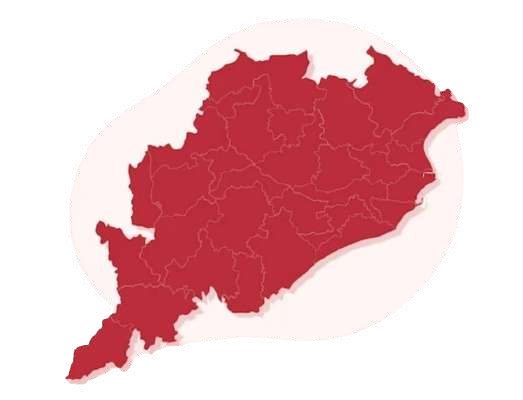
Map of Odisha with its districts

About Sambalpur

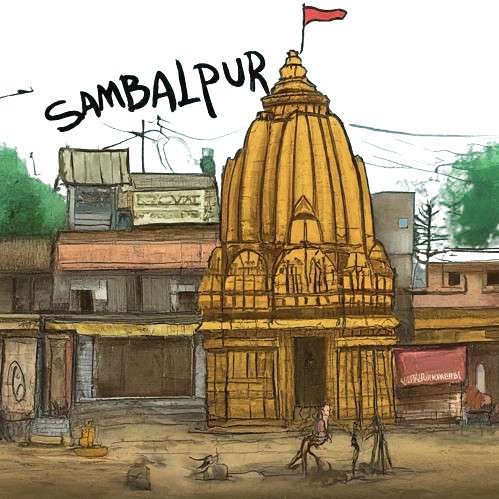
A temple street in Sambalpur

Where Odisha unfurls westward lies Sambalpur, named — legend says — for a queen called Samalai. Amid rolling hills and the Mahanadi River, echoes of Samudragupta’s conquests and the Chauhan dynasty linger, as does the shadow of the British Raj and the enduring spirit of the Kandha and Binjhal warriors.

The Hirakud Dam stands as a monument to human innovation, while the Leaning Temple of Huma speaks of a faith that defies explanation. Sanctuaries like Badrama and Debrigarh pulse with life, the Gudguda waterfall washes away the cares of the world, and Ghanteswari Temple rings with an otherworldly serenity.

From Dal-khai to Rangabati, the Sambalpuri dhol has been the heartbeat of the state. Chaul Bara and Sarsatia tantalise everyone who walks into the city.

Getting here

By train

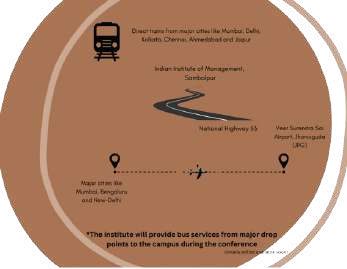
Sambalpur Junction (SBP) is the main station, with Sambalpur Road (Fatak), Hirakud and Sambalpur City also serving the city. Direct trains run from Mumbai, Delhi, Bangalore, Chennai, Howrah, Ahmedabad, Surat and Jaipur.

By road

National Highway 53 connects Sambalpur to the national road network. Driving routes run via NH48 and NH53, with stops possible at Pune, Raipur, Agra, Lucknow, Ranchi and Nagpur.

By air

Veer Surendra Sai Airport, Jharsuguda (JRG) is about 80 km from campus, connecting to Bangalore, Kolkata, New Delhi and Mumbai. Swami Vivekananda Airport, Raipur (RPR) is roughly 262 km away and Biju Patnaik International Airport, Bhubaneswar (BBI) around 326 km.

The campus sits about 5 km from Hirakud Railway Station, 27 km from the district headquarters and 55 km from Jharsuguda Airport. Taxis and local buses run from the station and bus stand. The institute plans to provide bus services from major arrival points to the campus during the conference.

Routes to reach Sambalpur

Places to visit

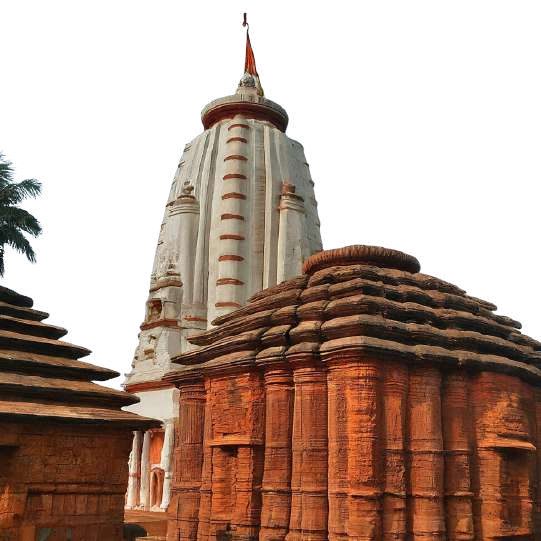
The tapering tower of Samaleswari Temple

Samaleswari Temple

Built in the 16th century by King Balaram Dev, the first Chouhan ruler, the temple stands as a testament to the region's long devotion to the Goddess Samaleswari. Its significance runs older still: the Odia Mahabharata reveres it as a Shaktipitha.

The architecture blends Chouhan style with hints of Khajuraho, crowned by a majestic tapering tower. Festivals such as Dhabalabesa, Nuakhai and Pua Juntia bring the community together through the year, and a Light & Sound Show runs at the complex every evening.
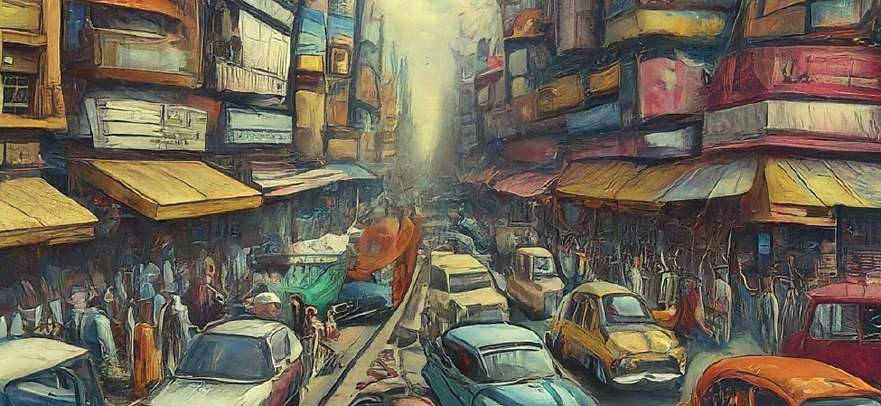
A busy Sambalpur street lined with shops

Budharaja Hill & the Wild Animal Conservation Centre

A winding road climbs Budharaja Hill to the 18th-century Budharaja Temple, where a national flag flies visible from every corner of the town. A watchtower is under construction, promising further vantage points over the city.

Nearby, on Brooks Hill beside Motijharan, the Wild Animal Conservation Centre preserves the habitat of Sambalpur's indigenous flora and fauna. It is open every day except Monday.

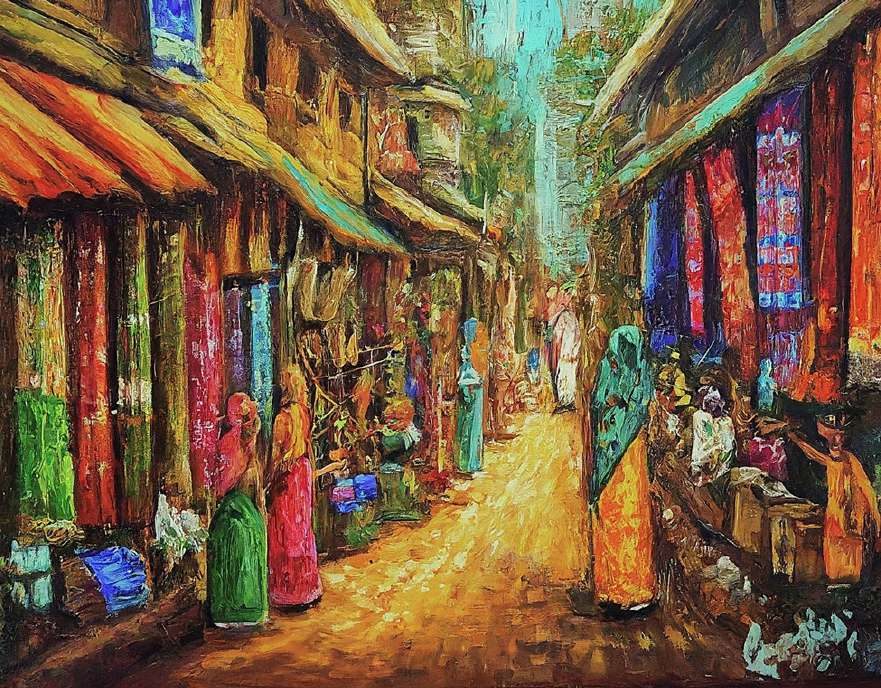
Handloom shops along a Sambalpur market street

Regional Art Gallery & Sambalpur Market

Established by the Odisha Lalit Kala Academy and set in Gouri Shankar Sahani Park off M.G. Marg, the Regional Art Gallery collects local art, with Sambalpuri textiles at its heart.

Step outside into Sambalpur Market, where government and private shops overflow with Sambalpuri Ikat — sarees in dazzling colours and intricately woven homeware.

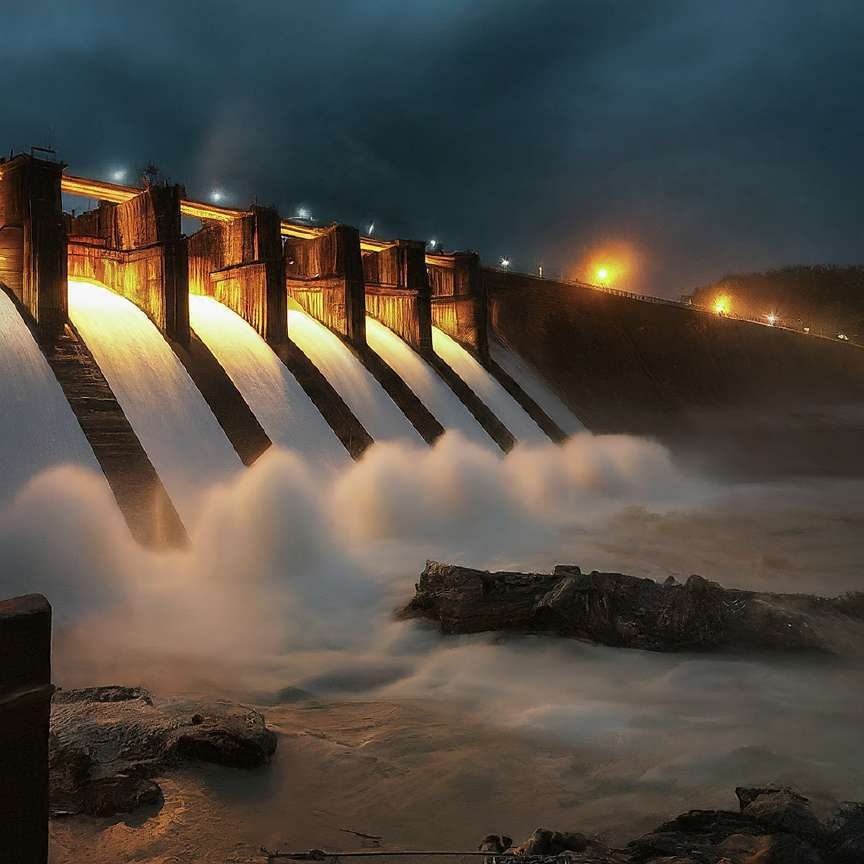
Water released through the gates of Hirakud Dam

Hirakud Dam

The longest earthen dam in the world and the largest artificial water body in Asia, holding back over 746 sq km of the Mahanadi. Its water irrigates the fields around Sambalpur and its power stations light the region's homes and industries.

Sixteen kilometres from the city, the dam offers more than its scale: drive the left or right dyke, climb Gandhi Minar or Jawahar Minar for views over the reservoir, rest in Jawahar Udyan, ride the ropeway between the gardens and Gandhi Minar, or take a boat out near Zero Point.

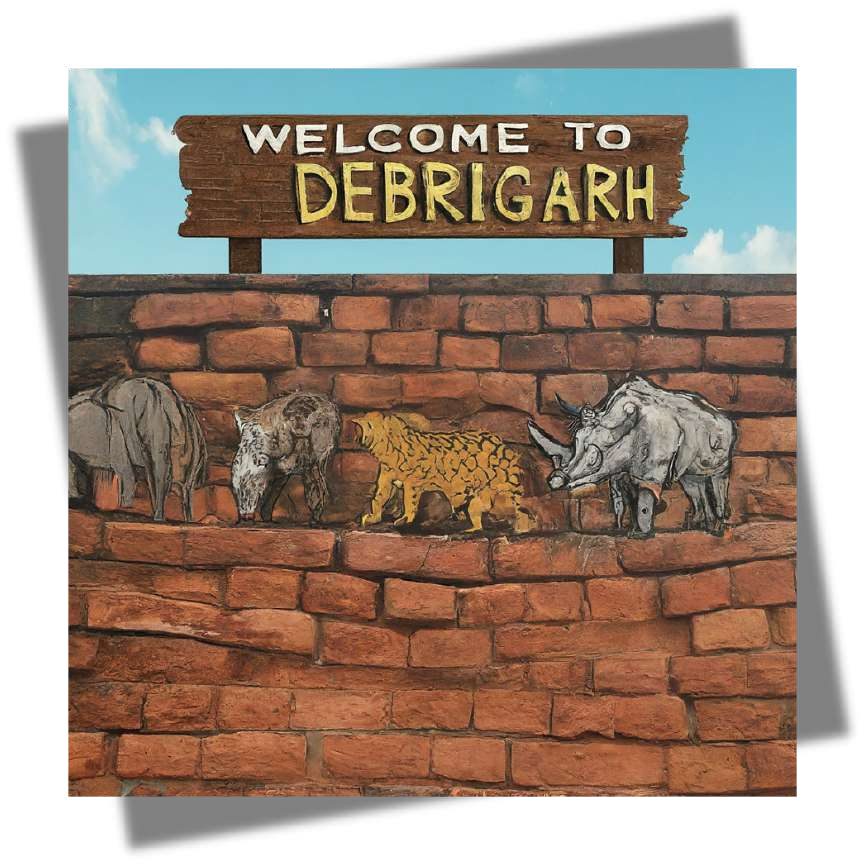
The welcome sign at Debrigarh Wildlife Sanctuary

Debrigarh Wildlife Sanctuary

The right dyke of the dam leads to the entry point of the Debrigarh Wildlife Sanctuary in Bargarh district.

Four kilometres away in Burla, the APJ Abdul Kalam Planetarium & Science Park offers a glimpse into space and scientific marvels.

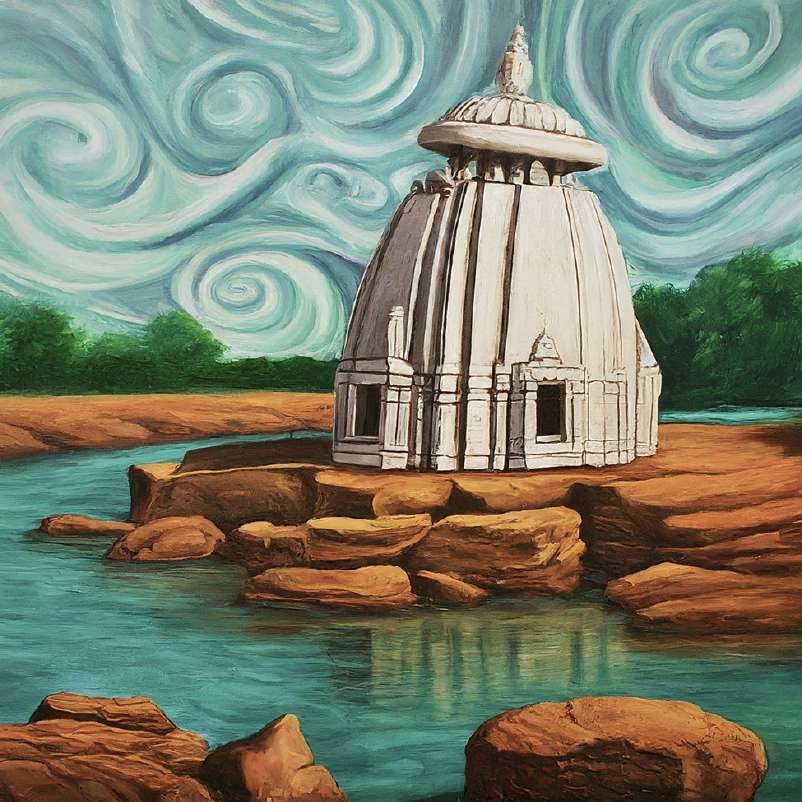
The tilted Bimaleswar temple at Huma beside the Mahanadi

Huma — the Leaning Temple

Twenty-six kilometres from Sambalpur lies the village of Huma and its 17th-century Bimaleswar (Shiva) Temple, known as much for its intriguing tilt — India's Leaning Temple — as for its spiritual standing.

The Mahanadi runs nearby, full of Kuda fish, a local delicacy worth seeking out after a day of exploring.

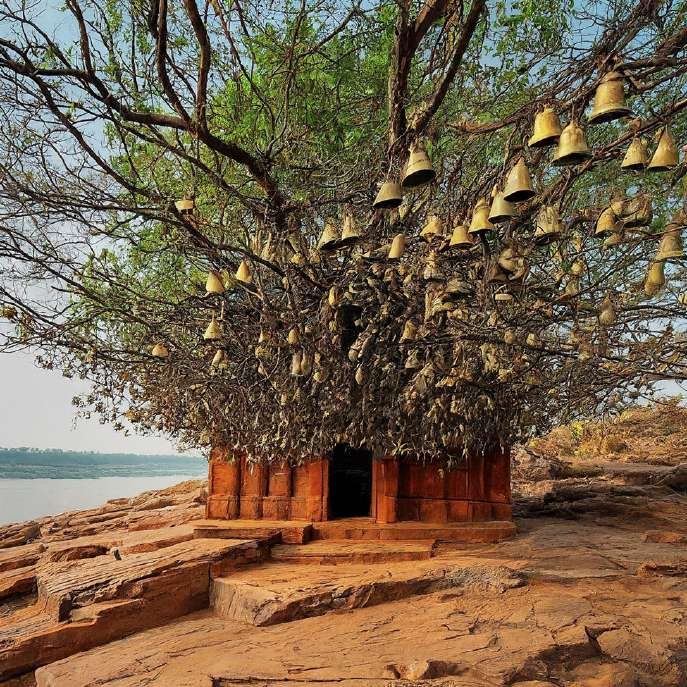
Bells hung at the Ghanteswari temple

Ghanteswari & Chipilima

Eighteen kilometres downstream, a detour on the Mahanadi reveals Chipilima. Seek blessings at the Ghanteswari Temple, hung with countless bells that chime in the breeze, then see the engineering of the Chipilima Hydroelectric Plant amid the hills.

At Kardola village, two kilometres on, weavers give live demonstrations of traditional 'Tanta' weaving.

Forested hills of the Badrama sanctuary

Usakothi (Badrama Wildlife Sanctuary)

Thirty-seven kilometres away on NH 53, watchtowers through the sanctuary open onto jungle vistas and roaming animals.

Entry is granted at the village of Badrama, with permission from the Forest Range Officer.

The cascading Gudguda waterfall

Gudguda Waterfall

A hundred and fifteen kilometres from the city centre, Gudguda cascades through scenery that draws visitors year-round, with litchi orchards blanketing the surrounding country.

Shopping

Alongside retail names such as MAX Fashions, Pantaloons, Reliance Trends and Zudio, Sambalpur has ventures of its own.

Village Craft

Started in 2005 to support artisans working in art and craft, with a boutique near Ainthapalli.

A-33, Pradhanpara Rd, near Jamkani Mandir, Sambalpur, Odisha 768004

097760 30300

Sakshi Handloom

Running since 1991 and the world's largest Sambalpuri handloom portal online, with over 600 looms to its name. Small handloom shops also cluster around Gol Bazaar.

Main Rd, Sahayog Nagar, Budharaja, Sambalpur, Odisha 768004

082493 54545

The full travelogue, with the original artwork, is available as a PDF.

Follow IIM Sambalpur

GLOGIFT 27Indian Institute of Management Sambalpur, Basantpur, Near Gosala, Sambalpur, Odisha 768025© Indian Institute of Management Sambalpur